Last Updated:
December 16, 2025
•
15 min read
“If I had to choose one word to describe 2025, it is uncertainty”
Williams said tariffs have added ~0.5pp to inflation but should be a one-off price-level effect into 2026, while Miran warned that staying too tight for too long could trigger rapid labour-market deterioration. US Nov payrolls rose +64k (vs -105k Oct) but unemployment climbed to 4.6% (7.8M), and the UK jobless rate edged up to 5.1% (1.832M) as flash manufacturing PMI improved to 51.2. In crypto, Atkins warned SEC rules could create financial surveillance, the Senate delayed market-structure work into early 2026, and ETF flows rotated (BTC -$357.7M, ETH -$224.8M, SOL +$35.2M; XRP inflows >$1B cum) as BTC fell from ~$89k to ~$85.6k before recovering near ~$87k.

Find out our latest reports, listed below:
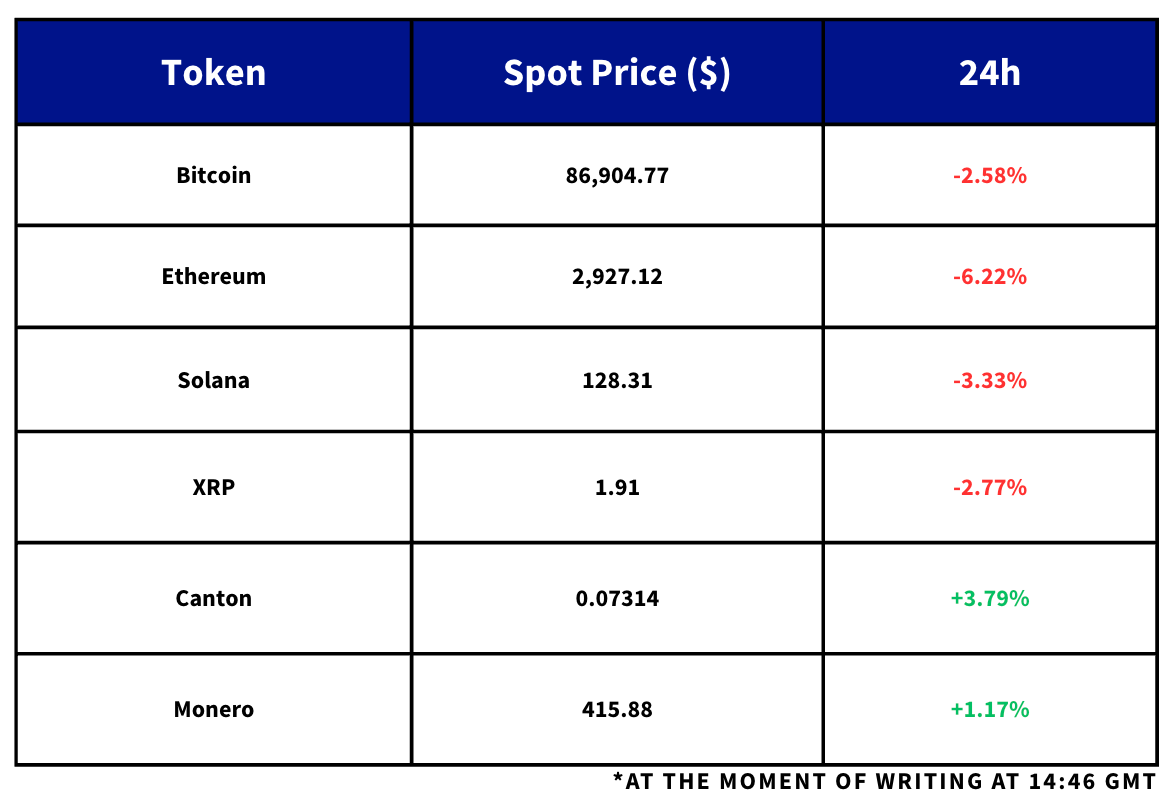
Market Snapshot: Overnight Moves

Daily Updates:
- Yesterday, two Federal Reserve officials delivered speeches: John C. Williams and Stephen Miran.
- Williams said that:
“If I had to choose one word to describe 2025, it is uncertainty”
- , while maintaining that the US economy has remained resilient and is expected to strengthen further next year. He noted that progress on inflation has temporarily stalled, attributing this partly to trade policy. According to his estimates, tariffs have added approximately 0.5 percentage points to the current inflation rate, which stands at around 2.75%. However, he emphasised that this impact has been smaller and slower to materialise than initially expected and that there are no signs of broader spillovers. Williams reiterated that inflation expectations remain well anchored and characterised the tariff impact as a one-off price-level adjustment likely to be fully realised in 2026.
- He also highlighted a cooling labour market, describing job growth as weak and unemployment as gradually rising, with downside risks to employment increasing. From a policy standpoint, he said the FOMC is moving toward a neutral stance, maintaining the target range at 3.5 - 3.75%. He also noted operational developments: the Fed has shifted to reserve management purchases and continues to rely on its standing repo facilities as a stabilising tool for funding markets.
- Miran, meanwhile, questioned the assumption that tariffs are the primary cause of the recent rise in core goods inflation. He argued that the timing and evidence are inconsistent across inflation measures and that the US does not stand out relative to other major economies. He stated that policymakers should distinguish between a temporary price-level shock and a persistent inflation process, arguing that the former should generally be “looked through”. His warning focused on the labour market: he cautioned that deterioration can occur quickly and nonlinearly, and that keeping policy overly tight for too long risks unnecessary job losses that may be difficult to reverse.
- On Monday, 15 December 2025, at the SEC Crypto Task Force’s sixth roundtable addressing financial surveillance and privacy, U.S. Securities and Exchange Commission Chair Paul Atkins cautioned that blockchain technology’s inherent transparency makes it especially effective at linking transactions to senders, a feature that, if misapplied, could “become the most powerful financial surveillance architecture ever invented” by government actors.
- He warned that treating every wallet like a broker and every transaction as a reportable event risks transforming the digital-asset ecosystem into pervasive surveillance infrastructure, and emphasised that a balanced regulatory framework must protect national security without eroding individual privacy.
- Also yesterday, the Senate Banking Committee confirmed it will not hold a market-structure markup this month, pushing the crypto bill into early 2026.
- A committee spokesperson said Chairman Tim Scott and the committee have made “strong progress” with Democratic counterparts, but lawmakers are still negotiating.
- The bill is intended to clarify how the SEC and CFTC oversee crypto markets, including giving the CFTC primary authority over spot markets and better defining how securities laws apply, yet timing pressures are mounting as Congress pivots to the next government funding ahead of the 30 January deadline.
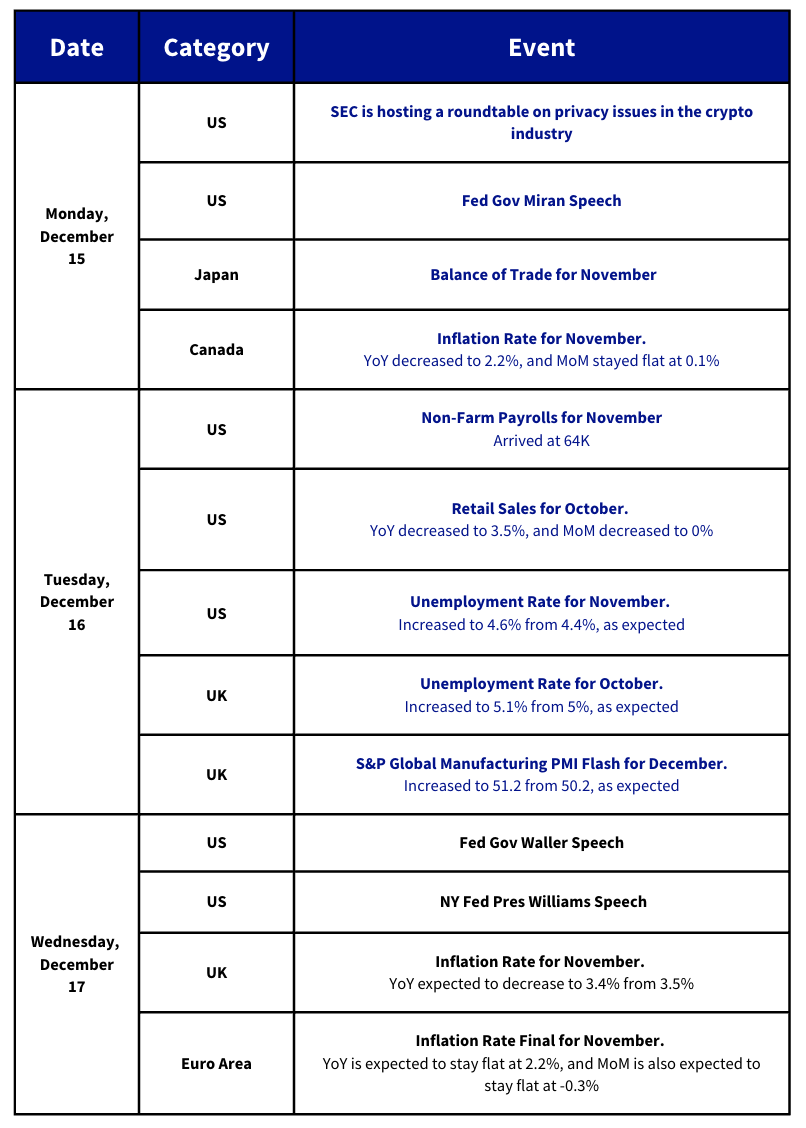
- US payrolls showed a 64K increase in November versus a 105K loss in October and ahead of expectations for a 50K gain, led by hiring in health care and construction while the federal government continued to lose jobs.
- However, the labour market also showed signs of cooling, as the unemployment rate rose to 4.6% in November 2025, above the 4.4% median expectation and the highest since September 2021, with 7.8M unemployed.
- The unemployment rate in the UK edged up to 5.1% in the three months to October 2025 (from 5.0%), the highest level since the three months to March 2021, as total unemployment rose by 158,000 on the quarter to 1.832M.
- In contrast, the manufacturing picture improved: the flash S&P Global UK Manufacturing PMI rose to 51.2 in December 2025 (from 50.2), the strongest expansion since September 2024.
- TradFi derivative exchange CME Group, has launched Spot-Quoted XRP and SOL futures, adding to its existing offering of Spot-Quoted Bitcoin and Ether futures.
- In the meantime, U.S. spot XRP ETFs crossed a major threshold on Monday, with cumulative inflows topping $1B since the first product launched on 13 November. $10.89M were added on the day.
- Spot BTC ETFs in the meantime saw $357.7M of net outflows (their biggest single-day exit in nearly a month) and spot ETH ETFs had $224.8M of outflows, while Solana ETFs continued to gain $35.2M of inflows and $711.3M in cumulative inflows since October’s launches.
- The ETF rotation played out alongside a sharp BTC move, with the coin decreasing from around $89,000 to near $85,600, for the first time in two weeks, before recovering to about $87,000 today.
- Japan’s SBI Holdings has partnered with Startale Group to launch a yen-denominated stablecoin in Q2 2026, positioning it as a fully regulated, purpose-built token aimed at global settlement and institutional adoption.
- The project pairs SBI’s domestic financial infrastructure with Startale’s Web3 track record (including its involvement in the Sony-backed Soneium network): Shinsei Trust & Banking (via SBI Shinsei Bank) is expected to manage issuance and redemption, while SBI VC Trade will support distribution through its licensed exchange capabilities.
- Layer 1 blockchains, Solana and SUI have both reportedly faced large-scale distributed denial-of-service (DDoS) attacks.
- Solana has remained operational, with network performance remaining unaffected despite a sustained DDoS attack that has been ongoing since last week, with a continuous increase in malicious traffic over several days. The attack reached traffic levels close to 6tps (terabits per second), ranking amongst the largest DDoS attacks ever observed.
- In comparison, SUI suffered a single day DDoS attack on December 14, 2025, during which users reported significant transaction and block production delays, although the network remained online.
- Perpetual exchange Aster introduced “Shield Mode” on Dec 15, enabling private perpetual trading for BTC and ETH. The feature allows users to trade without records on a public order book while supporting leverage of up to 1001x.
- Orders are promoted as executing with zero slippage, using isolated margin to enhance risk management and no gas costs at launch (till Dec 31).
- MetaMask has rolled out native Bitcoin support, extending its shift from an Ethereum-first wallet into a genuinely multi-chain front end, according to its announcement on Monday.
- Users can now buy BTC with fiat, send on-chain Bitcoin transfers, and swap in and out of BTC using EVM-native assets and Solana, broadening MetaMask’s utility beyond EVM rails.
- TradFi US stock exchange, Nasdaq Inc. (NDAQ), has submitted a filing to the Securities and Exchange Commission to expand trading on its equity markets to 23 hours a day, five days a week.
- Under the proposed 23/5 structure, Nasdaq would operate two daily trading sessions. The primary session would run from 4:00 a.m. to 8:00 p.m., followed by a one-hour maintenance break. The overnight session would then begin at 9:00 p.m. and conclude at 4:00 a.m. the next calendar day.
- If approved, the trading week would open on Sunday at 9:00 p.m. and close on Friday at 8:00 p.m.
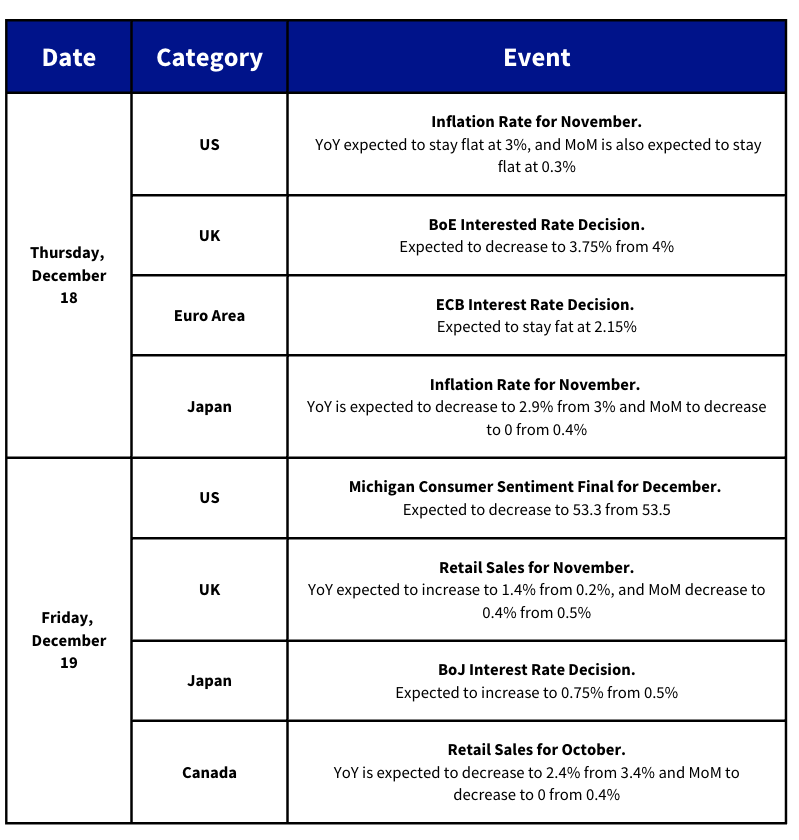
This Week’s Calendar:


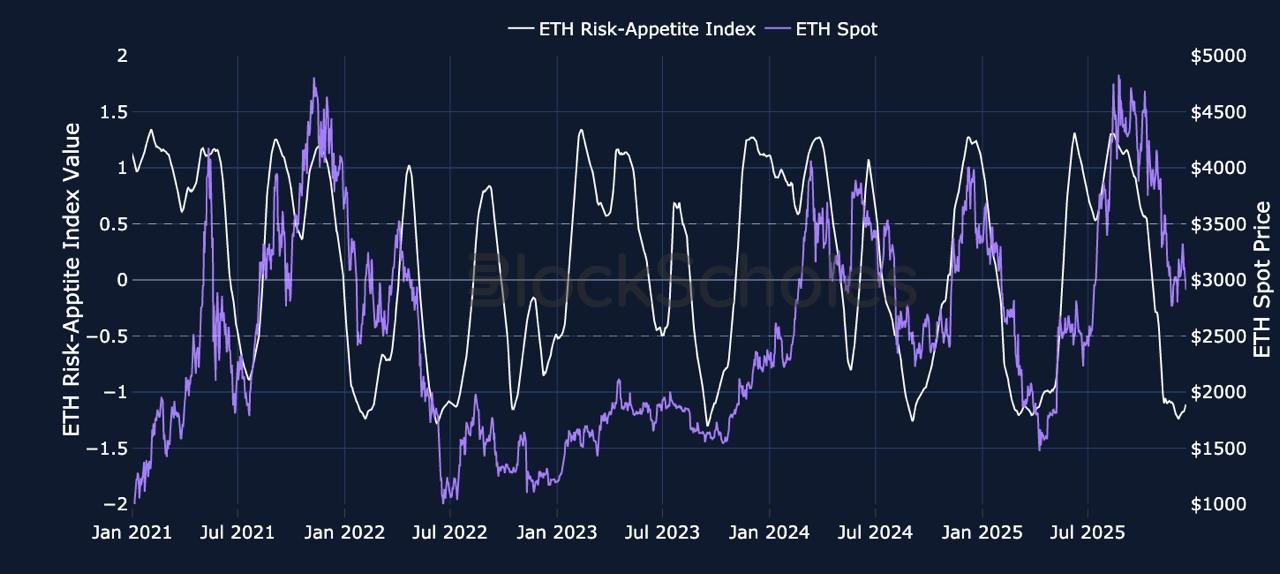
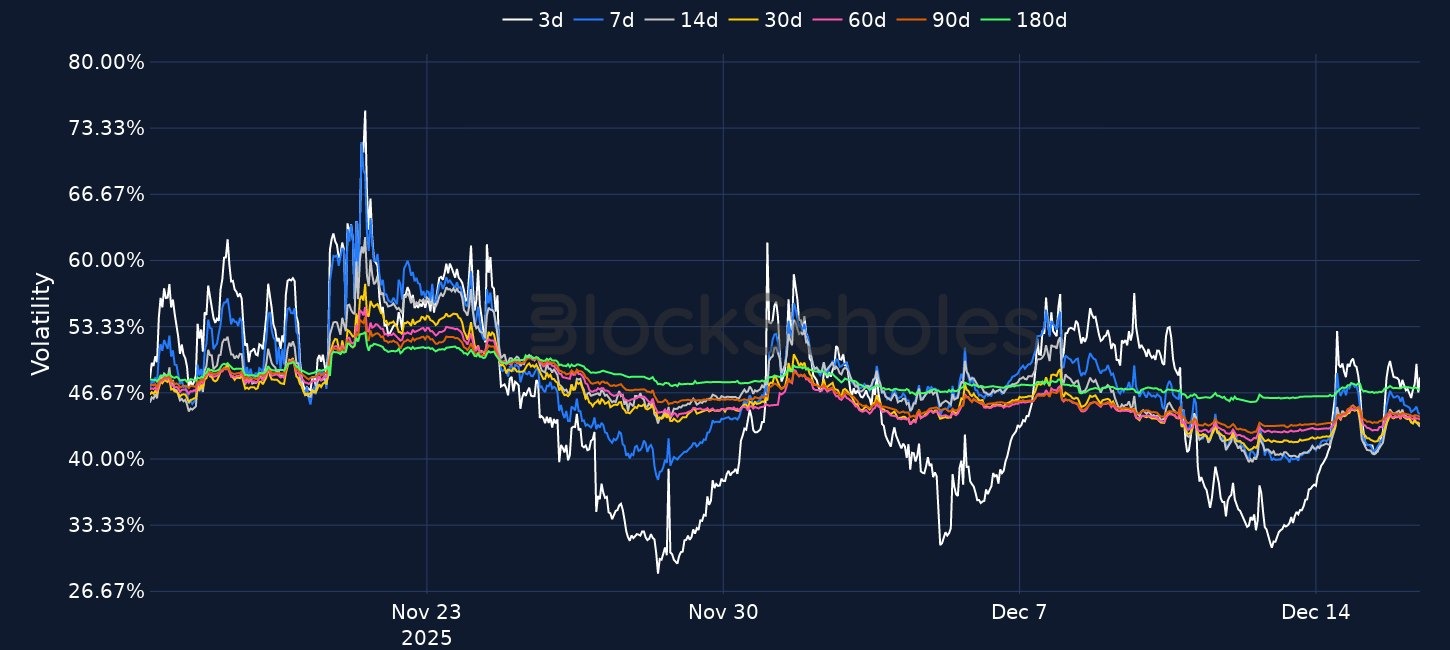
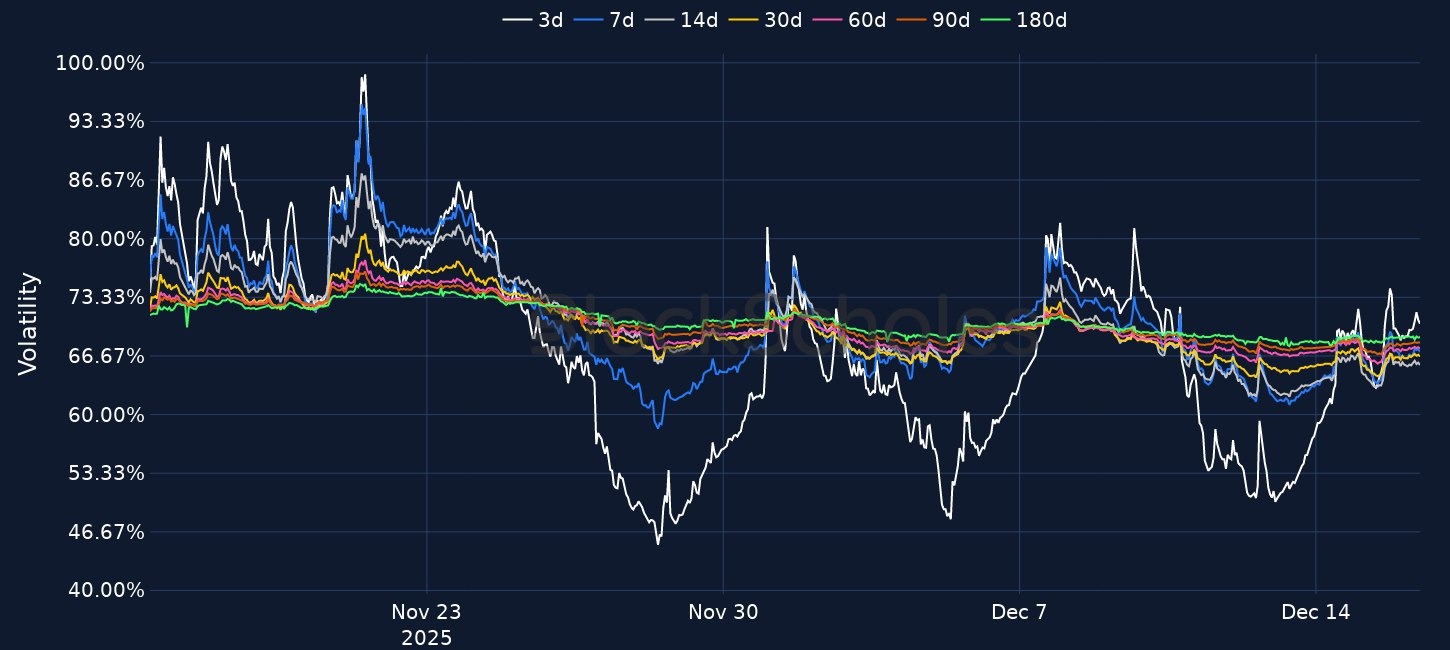
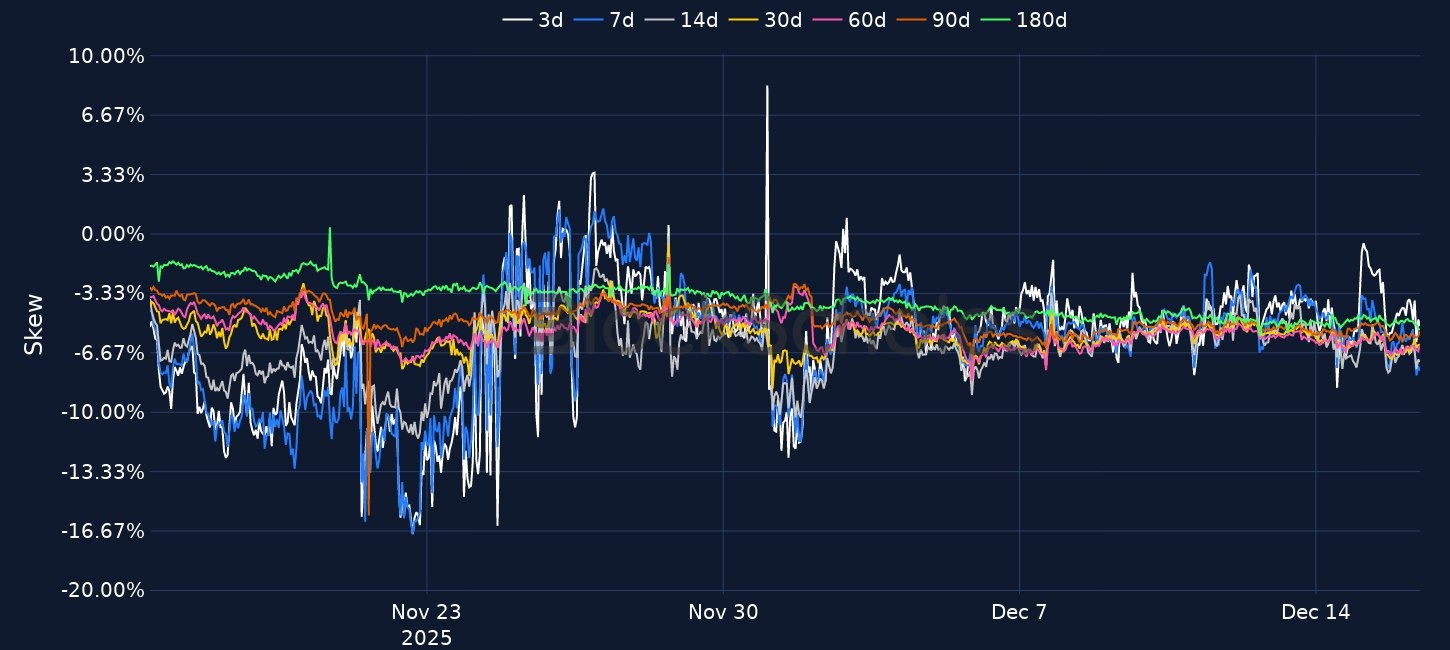
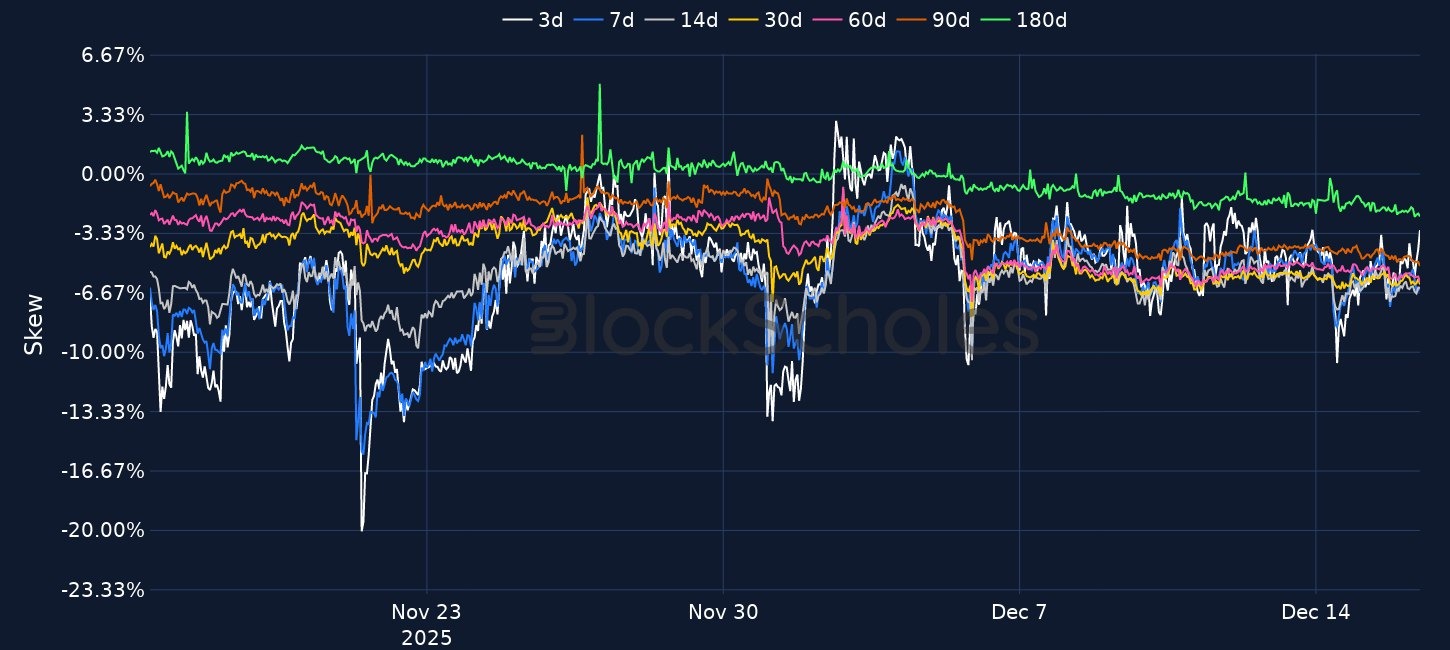
Charts of the Day: